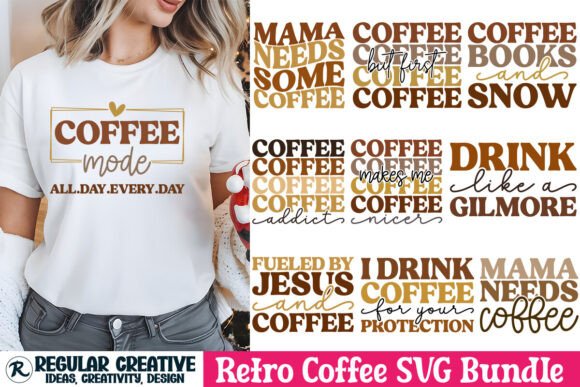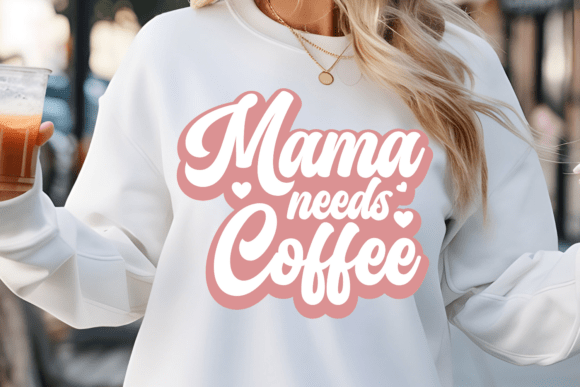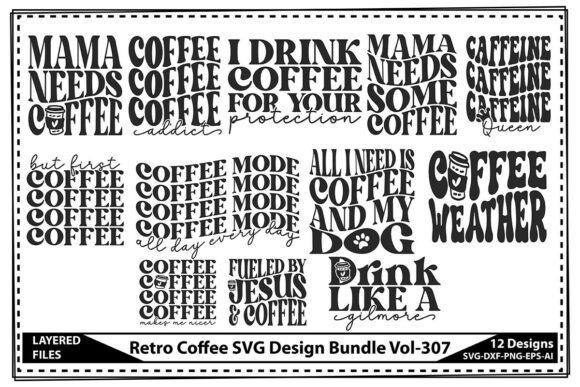
Coffee Please SVG, Retro Coffee SVG
As a designer who spends more time staring at stitch density charts and fabric swatches than drinking actual coffee (ironic, I know), I approach every new digital asset with a healthy dose of skepticism. The market is flooded with generic clip art disguised as premium embroidery files. However, when evaluating the Coffee Please SVG, Retro Coffee SVG, my first instinct was to look past the trendy aesthetic and ask: does this actually work on the hoop? Can it survive the washing machine? And most importantly, will it translate well into a finished product that customers are willing to pay for?
The short answer is yes, but with specific caveats regarding execution. This design taps into a very specific mood—one of cozy, retro comfort that has dominated home decor and apparel trends for the last few years. It isn’t just a cup; it’s a vibe. But in the world of machine embroidery design, vibes don’t pay the bills; clarity and durability do.
First Impressions: Mood and Visual Personality
The immediate appeal of Coffee Please SVG, Retro Coffee SVG lies in its nostalgic character. It feels like something you’d find on a vintage diner menu or a worn-out 70s sweatshirt. For craft business owners and Etsy sellers, this visual language is gold. It signals "handmade," "cozy," and "approachable" before the customer even reads the product description.
From a pure graphic design standpoint, the layout is balanced. The typography usually accompanying this type of imagery tends to be bold and legible, which is crucial. When converting vector shapes into stitches, thin lines often break or disappear. A strong, retro font paired with a solid mug shape ensures that the core message remains intact even if the stitching isn’t perfect. This design naturally belongs to projects that prioritize warmth and personality over sleek minimalism. It screams custom apparel and personalized gift.
Real-World Application: From Hoop to Product
Let’s talk about how this performs in real scenarios. I recently considered using a similar retro coffee motif for a batch of custom aprons intended for a local bakery client. The challenge with aprons is that they are high-friction items. They get washed frequently, exposed to heat, and handled by wet hands. If an embroidery file is too dense, it becomes stiff and uncomfortable against the skin. If it’s too sparse, it looks cheap.
Coffee Please SVG, Retro Coffee SVG strikes a reasonable balance. When digitized correctly, it can serve as an excellent embroidered patch style applique or a direct-to-garment stitch. Imagine this on a heavy canvas tote bag design. The contrast between the sturdy fabric and the soft, rounded lines of the coffee cup creates a tactile appeal that photos alone cannot convey. Customers love feeling the texture of the thread; it validates the price point of a handmade product.
Similarly, this design shines in baby embroidery projects. Think of a onesie or a burp cloth. The retro theme is gender-neutral enough to appeal to a broad audience, yet distinct enough to stand out in a sea of pastel florals. For small shop products targeting new parents, the "coffee please" sentiment resonates deeply with sleep-deprived caregivers, making it a highly sellable item.
Where to Exercise Caution
Not every surface is created equal. While this design is versatile, there are specific areas where you need to slow down and inspect your work:
- Small Hoop Sizes: If you are attempting this on a tiny cap or a narrow sleeve cuff, ensure the design scales down without losing detail. Tiny lettering often turns into a muddy blob of thread if the resolution isn't high.
- Textured and Stretchy Fabrics: Knits and textured weaves can distort the geometry of the design. Always use a proper stabilizer to prevent puckering. On stretchy fabrics, the tension needs to be adjusted carefully to avoid warping the retro curves.
- Dense Stitch Areas: Check the fill stitch density. If the center of the coffee cup is too thick, it may become rigid and uncomfortable, especially on wearable items like sweatshirts or hats.
- Dark Fabrics: Contrast is key. On dark backgrounds, you’ll need to evaluate your thread colors carefully. A light-colored mug might get lost if the background fabric is navy or black. Test your thread colors on scrap pieces of the final fabric.
Technical Execution and Quality Control
Before committing to a full run of production, any seasoned maker knows the rule: test on scrap fabric. This is non-negotiable. When reviewing Coffee Please SVG, Retro Coffee SVG, I always recommend running a quick test to check for thread breaks and tension issues. Pay close attention to the corners of the mug handle and the edges of any text. These are common trouble spots where satin stitches can pucker if the underlay isn’t set correctly.
Another practical tip is to view your design in black and white mockups. Sometimes, color distracts us from structural flaws. If the design looks unbalanced in grayscale, it will likely feel off in color too. This step helps ensure brand consistency and professional presentation, which are vital for building trust with buyers.
Also, consider the end-use of the finished product. Is it a decorative pillow cover or a functional kitchen towel? Decorative items can tolerate higher stitch counts and delicate details because they aren’t subjected to daily wear and tear. Functional items, like kitchen towels or aprons, need robust stitching that can withstand friction and washing. Adjust your digitization settings accordingly.
Commercial Viability and Market Fit
For digital product sellers and creative entrepreneurs, understanding the commercial potential of Coffee Please SVG, Retro Coffee SVG is essential. This design fits perfectly into seasonal collections. It’s ideal for holiday embroidery gifts, back-to-school supplies, or morning-themed nursery decor. The retro aesthetic appeals to millennials and Gen Z consumers who value nostalgia and authenticity.
When creating listings, focus on the emotional benefit. Don’t just sell an embroidery file; sell the feeling of a lazy Sunday morning. Use printable mockups that show the design on various products—tote bags, sweatshirts, mugs—to help buyers visualize the final result. High-quality visuals combined with a clear description of the design’s versatility can significantly boost conversion rates.
However, always double-check the licensing terms provided by the creator. Even if the file is marketed for commercial embroidery, some creators restrict the number of physical items you can sell or prohibit resale of the digital file itself. Protect your small business by reading the fine print.
Final Verdict
Coffee Please SVG, Retro Coffee SVG is more than just a cute clip art image; it’s a functional, marketable asset for designers who understand the nuances of textile arts. Its retro charm makes it instantly recognizable, while its simple structure allows for clean, professional stitching. Whether you are decorating a sweatshirt for a craft fair or adding a personal touch to a personalized gift, this design delivers.
Just remember: the success of your project depends less on the file itself and more on your preparation. Choose the right fabric, select contrasting threads, stabilize properly, and test thoroughly. By treating this design with the respect it deserves, you’ll create finished products that not only look great but also hold up to the rigors of everyday life. In the world of handmade goods, quality is the ultimate differentiator, and this design provides a solid foundation for achieving it.