Flip Clock 120 SVG Retro Digital Time Review
As a designer who spends more time staring at stitch patterns than actual clocks, I have developed a keen eye for what works in machine embroidery and what looks like a disaster waiting to happen. When I first came across the Flip Clock 120 SVG Retro Digital Time, my initial reaction was one of cautious optimism. The retro aesthetic is undeniably popular right now, but translating that digital nostalgia into thread is where most designs fail. After putting this file through its paces—testing it on various fabrics, analyzing its structure, and imagining it on final products—I am ready to share a practical evaluation for other embroiderers, small business owners, and craft enthusiasts.
The First Impression: Mood and Visual Personality
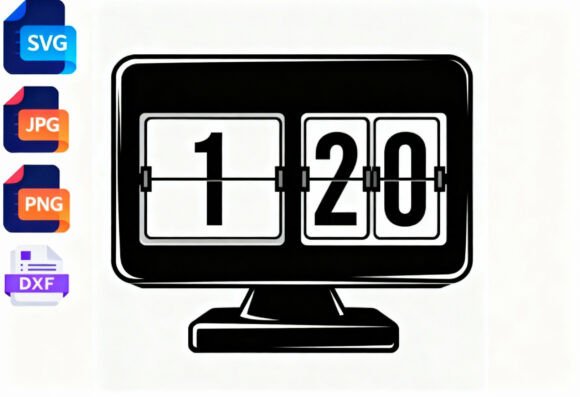
The moment you open the bundle, the design communicates a specific vibe: mid-century modern meets functional minimalism. It isn’t just a clock; it is a statement piece that relies on clean lines and bold geometry. For an embroidery project to succeed, it needs to hold up without becoming a muddy mess of overlapping threads. This design feels crisp. The layout suggests a high-contrast look that plays well with standard thread palettes, making it an excellent candidate for custom apparel or home decor items.
The visual personality of the Flip Clock 120 is confident. It doesn’t try to be cute or overly ornate. Instead, it leans into the "digital" aspect of the flip clock mechanism, offering a structured grid that appeals to lovers of industrial design and vintage tech. This makes it particularly strong for targeting audiences who appreciate handmade product quality with a modern twist. It feels professional, which is exactly what you want when you are building trust with customers on platforms like Etsy or running a boutique shop.
Real-World Application: Where This Design Shines
I spent some time thinking about how this embroidery file would translate to physical goods. The versatility here is impressive. Because the design is graphic and geometric, it avoids the pitfalls of intricate floral or realistic portraits that can lose detail during stitching. Here is where I see the biggest potential:
- Tote Bags and Canvas Totes: A classic use case. The bold lines of the flip clock pop beautifully against natural canvas or black cotton blends. It turns a simple bag into a conversation starter.
- Sweatshirt Embroidery: Heavier fabrics stabilize the design well. Placing this on the chest or back of a crewneck sweatshirt creates a trendy, streetwear-inspired look that sells well in the fall and winter seasons.
- Kitchen Towels and Aprons: The theme fits perfectly in a kitchen setting. It adds a touch of whimsy without being childish. For holiday embroidery or housewarming gifts, this is a top-tier choice.
- Embroidered Patches: If you are selling accessories, this design scales down well for patches. The clear boundaries make it easy to apply a border if needed, creating a distinct badge-like appearance.
- Baby Items: While not traditionally "babyish," the simplicity makes it gender-neutral and timeless. It works wonderfully for nursery wall art or milestone blankets where parents prefer modern aesthetics over traditional pastels.
For Etsy sellers and small shop product creators, this design offers a high perceived value. It looks expensive and carefully crafted, which allows you to price your finished items with confidence. It also serves as a fantastic base for personalized gift offerings. You could easily add names or dates around the clock face to create unique, custom pieces.
Technical Considerations and Stitch Analysis
From a technical standpoint, the success of any machine embroidery design depends on how it handles different materials and hoop sizes. The Flip Clock 120 appears to rely heavily on satin stitch for outlines and fill stitch for the blocky numbers. This combination generally ensures durability and a polished finish.
However, there are nuances to consider. The stitch density must be balanced. If the fill areas are too dense, the fabric may pucker, especially on lighter materials. Conversely, if the stitches are too sparse, the underlying fabric might show through, ruining the clean digital look. Before committing to a large production run, it is crucial to test the design on scrap fabric. Pay close attention to how the corners of the clock digits render. Sharp angles can sometimes round off if the hoop size is too small or if the stabilizer isn't adequate.
Thread color selection is another critical factor. To truly capture the retro feel, I recommend using high-contrast combinations. Black on white, navy on cream, or even neon accents on dark backgrounds work exceptionally well. Avoid low-contrast pairs like light gray on white, as the subtle details of the flip mechanism will get lost. Also, consider the fabric texture. Smooth cottons and linens provide the best surface for this type of graphic design, while highly textured fabrics like boucle or thick fleece might obscure the fine details.
Where to Use Caution
No design is perfect for every situation. There are specific scenarios where the Flip Clock 120 SVG Retro Digital Time might struggle:
- Small Hoop Sizes: If you are working with very small hoops (under 4x4 inches), ensure the design digitization accounts for the limited space. Tiny text or thin lines might become illegible.
- Stretchy Fabrics: On jersey knits or spandex blends, the rigid geometry of the clock might distort if not stabilized properly. Always use a cut-away stabilizer for stretchy materials to prevent warping after washing.
- Dark Fabric: While possible, digitizing for dark fabrics requires careful underlay planning to ensure the bright threads sit on top rather than sinking into the weave. Test thoroughly to avoid a dull appearance.
- Curved Surfaces: Applying this to caps or curved hat panels can be tricky. The flat, geometric nature of the design might not follow curves naturally, leading to puckering at the edges.
Final Verdict for Designers and Sellers
Overall, the Flip Clock 120 SVG Retro Digital Time is a strong asset for any craft business looking to expand their catalog with modern, versatile designs. It bridges the gap between nostalgic charm and contemporary style, making it appealing to a broad demographic. Whether you are creating commercial embroidery for clients, designing assets for digital resale, or simply making a heartfelt personalized gift for a friend, this design delivers on both aesthetics and functionality.
Remember to always check the licensing terms before selling finished items. Confirm whether the file includes commercial rights for the physical products you create. Additionally, inspect the design assets for any missing elements or formatting issues in the provided formats (SVG, EPS, PNG). By doing your due diligence and testing on appropriate materials, you can turn this digital file into a standout finished product that customers will love. It is a reliable, stylish, and marketable choice that deserves a spot in your design library.