Retro Radio SVG Clipart Embroidery Review
As a designer who spends half my life staring at stitch charts and the other half trying to convince clients that embroidery has limitations, I approach every new digital asset with a mix of hope and skepticism. We have all been there: you find a cute graphic online, upload it to your machine, and pray it doesn’t turn into a tangled mess of thread. That is why I took Retro Radio SVG Clipart for a serious spin. This isn’t just about whether the file opens correctly; it is about how it translates from a vector screen into a tactile, stitched reality.
The product description promises maximum flexibility with Transparent PNG 300 DPI, SVG, and EPS formats. For an embroiderer, the SVG and EPS are the stars of the show because they allow for clean scaling without pixelation before digitization or direct cutting if you are using applique techniques. But does the design itself hold up when the needle starts moving? Let’s dive into the practical realities of using this retro-themed clipart in real-world projects.
First Impressions and Visual Personality
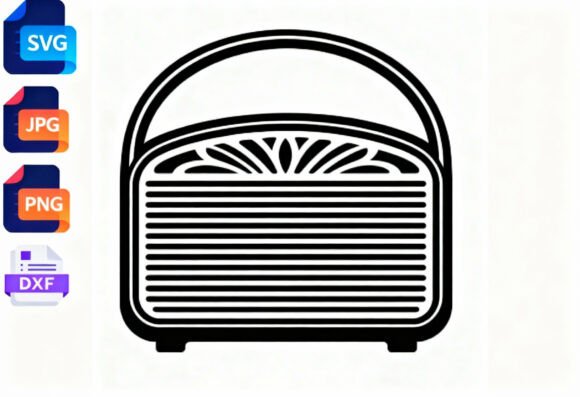
When you first load Retro Radio SVG Clipart, the mood is immediately established. It evokes a sense of nostalgia, warmth, and analog charm. The silhouette of a vintage radio is distinct enough to be recognizable but simple enough to work well in thread. In the world of handmade goods, recognition is key. A customer should glance at a tote bag or a sweatshirt and instantly understand the theme without needing a caption. This design succeeds on that front.
The layout feels balanced, which is crucial for embroidery. Unlike complex illustrations with hundreds of tiny elements, this design likely relies on bold shapes and clear lines. This simplicity is not a drawback; it is a strategic advantage. It suggests that the design will stitch cleanly, avoiding the "muddy" look that happens when too many colors compete for space. It feels like a design meant for storytelling—perfect for a coffee shop apron, a nursery wall hanging, or a cozy throw pillow.
Real-World Application: From Screen to Stitch
I imagine Retro Radio SVG Clipart finding its best home in several specific categories of handmade products. Let’s look at how it performs in actual use cases.
Custom Apparel and Sweatshirts
One of the most popular uses for retro graphics is custom apparel. Picture a heavyweight cotton sweatshirt in heather grey or olive green. Placing a mid-sized embroidered radio on the chest area creates an instant statement piece. The contrast between the soft fabric texture and the structured embroidery adds depth. However, you must consider the placement carefully. On a curved surface like a cap or the shoulder of a t-shirt, the circular or rounded elements of a radio design might distort if the hoop tension is not adjusted properly. For flat surfaces like the front of a hoodie, this design shines.
Tote Bags and Canvas Goods
A canvas tote bag is another natural fit. The sturdy fabric can handle the weight of fill stitches without buckling. If you are selling these at craft fairs or on Etsy, a retro radio on a beige or kraft-colored tote appeals to book lovers, artists, and eco-conscious shoppers. It positions the product as thoughtful and curated rather than mass-produced. The transparency of the PNG preview helps you visualize how the white background (if any) interacts with the bag color, ensuring no awkward halos appear around the edges.
Baby Items and Nursery Decor
Don’t overlook the potential for baby gifts. A small, simplified version of this radio could work beautifully on a burp cloth, a muslin blanket, or a baby bodysuit. The theme suggests lullabies, quiet mornings, and comfort. When designing for babies, safety and softness are paramount. Ensure that the digitized version avoids overly dense stitch areas that could feel scratchy against sensitive skin. Using satin stitches for outlines and lighter fill stitches for the body keeps the finish gentle.
Technical Considerations and Pitfalls
Even the best graphic needs proper handling. Here is where professional judgment comes in. Not every fabric or setting is suitable for Retro Radio SVG Clipart.
- Fabric Texture: Avoid highly textured fabrics like heavy bouclé or loose-weave linen unless you are using a stabilizer specifically designed for them. The grain of the fabric can interfere with the precision of the running stitch or satin stitch, causing the radio’s details to blur.
- Stretchy Fabrics: Jersey knits and spandex blends require careful stabilization. If the design is too large or dense, the stretch of the fabric can cause the embroidery to pucker after washing. Test on a scrap piece first to ensure the hoop size matches the garment’s curvature.
- Small Details: If the original SVG contains very thin lines or tiny text, you may need to simplify the design during the digitizing process. Tiny details often disappear under thick embroidery thread. It is better to have fewer, bolder elements than a cluttered mess that looks like a blob from three feet away.
- Thread Color Contrast: The visual appeal depends heavily on thread choice. On dark fabric, light thread colors will pop, but you may need more passes of fill stitch to achieve opacity. On light fabric, darker threads provide sharp definition. Always check your thread colors against the fabric swatch under natural lighting before committing to a full run.
Impact on Product Value and Branding
Using a professionally designed asset like Retro Radio SVG Clipart elevates the perceived value of your handmade product. Customers associate neat, consistent embroidery with quality craftsmanship. When a buyer sees a well-executed retro radio on a personalized gift, they perceive higher care and attention to detail. This builds trust and encourages repeat business.
For Etsy sellers and small shop owners, this design offers versatility. It fits seamlessly into seasonal collections. During the holidays, it works as a nostalgic gift item. In the spring, it complements themes of renewal and classic style. By offering personalized touches—such as adding a name near the radio or choosing season-appropriate thread colors—you transform a generic graphic into a unique handmade product.
Practical Designer Notes for Success
Before you start stitching, follow these steps to ensure a smooth workflow:
- Test on Scrap Fabric: Never assume a design will work perfectly on your final material. Stitch a test version on the same type of fabric and stabilizer you plan to use.
- Review Stitch Density: Check the digitized file for overly dense areas. If the design calls for excessive fill stitch, consider reducing the density to prevent bulkiness and needle breakage.
- Inspect Small Details: Zoom in on the SVG to identify any fine lines that might not translate well to thread. Simplify these elements if necessary.
- Confirm Licensing: If you intend to sell finished items, verify the commercial use rights of the Retro Radio SVG Clipart. Most professional bundles allow commercial sales of physical goods, but reselling the digital file itself is usually prohibited.
- Use Proper Stabilizer: The right stabilizer makes the difference between a puckered mess and a crisp finish. Cut-away stabilizers are generally recommended for woven fabrics and garments that will undergo frequent washing.
Final Verdict
Retro Radio SVG Clipart is a strong candidate for designers looking to add a touch of vintage charm to their embroidery projects. Its clean lines and recognizable shape make it adaptable for various applications, from custom apparel to home decor. By paying attention to fabric choice, thread contrast, and stitch density, you can create high-quality finished products that resonate with customers. It is a versatile asset that supports both personal creativity and commercial growth, provided you treat the digitization process with the care it deserves. Whether you are an experienced embroiderer or a hobbyist starting your first project, this design offers a reliable foundation for creating memorable, stitched art.