Retro Camera SVG Clipart: A Designer’s Review
As a designer who spends more time troubleshooting stitch density than actually designing, I approach every new digital asset with a mix of hope and skepticism. We have all been there: downloading a file that looks stunning in the preview window but turns into a tangled mess of thread when it hits the hoop. This is where Retro Camera SVG Clipart comes into play. It is not just another generic icon; it is a design element that requires careful consideration before being committed to fabric. In this review, I will walk through how this specific graphic performs in real-world embroidery scenarios, from custom apparel to small business merchandise.
First Impressions and Visual Personality
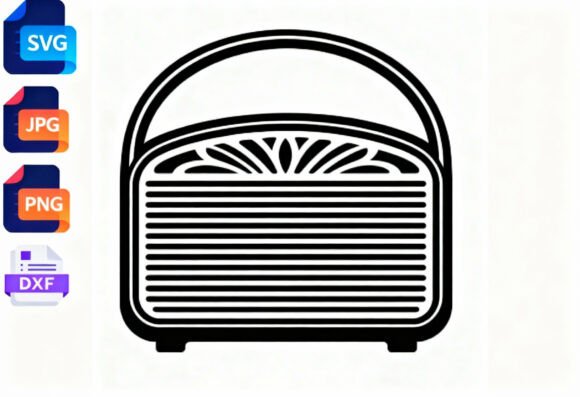
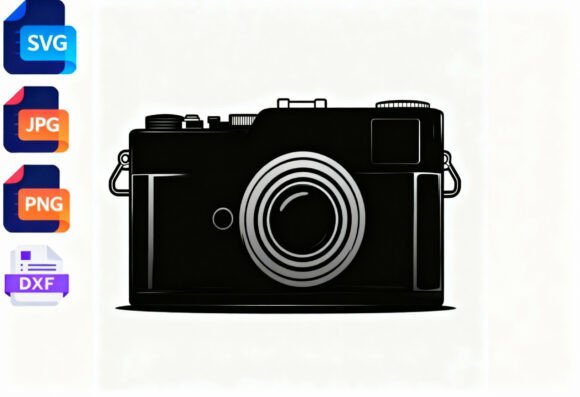
The moment you load Retro Camera SVG Clipart, the mood shifts. There is an inherent nostalgia in the silhouette—a vintage aesthetic that speaks to analog photography, film rolls, and the tactile joy of capturing memories. For designers targeting audiences who value craftsmanship and authenticity, this visual personality is gold. It feels warm, approachable, and distinctly handmade, which aligns perfectly with the current trend toward personalized gifts and boutique branding.
From a layout perspective, the design strikes a balance between detail and simplicity. It is detailed enough to be interesting but clean enough to stitch reliably. The shape suggests a classic point-and-shoot or rangefinder style camera, offering a recognizable icon that resonates with hobbyists and professionals alike. When placed on a product, it does not scream for attention; instead, it invites the viewer to look closer. This subtlety is crucial for high-end finished products where understated elegance often sells better than loud graphics.
Real-World Application: The Custom Tote Bag Scenario
To truly evaluate an embroidery project, we must move beyond the screen and imagine it on physical goods. Let us consider a common scenario: creating a custom embroidered tote bag for a local artisan market or an Etsy shop. You are aiming for a product that appeals to photographers, travelers, or anyone who appreciates vintage aesthetics.
Using Retro Camera SVG Clipart on a canvas tote bag offers excellent potential. The sturdy nature of canvas provides a stable foundation for stitching, allowing the design to maintain its structural integrity. Whether you choose a monochromatic thread scheme for a minimalist look or use vibrant colors to pop against a neutral background, the design holds up well. Customers reacting to such a product often associate the imagery with creativity and memory-keeping, which adds emotional value to the purchase. It transforms a simple bag into a statement piece about identity and passion.
This same logic applies to other items like sweatshirts, aprons, or even baby clothes. On a onesie, the retro camera could symbolize future dreams or a family love for travel. On an apron, it might appeal to food bloggers or home cooks who view their culinary creations as art. The versatility of the motif makes it a strong candidate for diverse craft business inventories.
Performance in Embroidery Situations
When discussing how Retro Camera SVG Clipart performs technically, we must look at its behavior across different mediums. As a digital embroidery file derived from vector sources, it offers flexibility, but the translation to thread introduces variables.
- Custom Apparel: On t-shirts and hoodies, the design works best when centered or slightly offset. The clean lines of the camera body allow for crisp satin stitch outlines, while internal details can be handled with efficient fill stitch patterns.
- Accessories: For embroidered patch applications or cap designs, the compact nature of the camera icon fits neatly within standard hoop sizes without feeling cramped.
- Home Decor: Pillow covers and tea towels benefit from the design’s balanced composition. It fills space effectively without overwhelming the fabric texture.
However, success depends heavily on execution. The transition from SVG to machine-readable code is where many designs fail. If the original vector paths are too complex, the software may over-complicate the stitch plan, leading to unnecessary thread breaks or bulkiness. Therefore, verifying the path count and simplifying nodes before importing is a critical step for any serious Etsy seller or small shop product creator.
Areas of Caution and Technical Considerations
No design is universally perfect, and Retro Camera SVG Clipart has specific constraints that designers must respect. Ignoring these can lead to frustrated customers and ruined materials.
- Hoop Size Limitations: While the design is versatile, attempting to embroider it in extremely small hoops can compromise detail. Tiny features, such as lens rings or button textures, may become indistinguishable blobs of thread. Always check the hoop size requirements and ensure the design scales appropriately.
- Fabric Texture and Stability: Textured fabrics like bouclé or heavy denim can distort fine lines. Similarly, thin or stretchy fabrics require proper stabilization to prevent puckering. Without adequate stabilizer support, the retro camera shape may warp, losing its intended geometric precision.
- Dark Fabrics and Contrast: Stitch density and thread choice are paramount on dark backgrounds. Low contrast threads will disappear, making the design look incomplete. Test your thread colors against the actual fabric swatch before committing to a production run.
- Dense Stitch Areas: If the design includes heavy fill areas, it may become stiff and uncomfortable, particularly on wearable items like caps or fitted shirts. Evaluate the stitch density to ensure the finished product remains soft and pliable.
Impact on Brand and Customer Trust
In the competitive landscape of handmade goods, presentation is everything. Using a well-executed machine embroidery design like Retro Camera SVG Clipart signals professionalism. It shows that you care about quality and detail. When a customer receives a product where the stitching is tight, the alignment is precise, and the design choices are thoughtful, trust is built instantly.
Furthermore, the nostalgic theme of the camera lends itself well to storytelling in marketing. You can create printable mockup images that evoke a sense of journey and creativity, enhancing buyer engagement. This emotional connection often translates to higher conversion rates and repeat business, especially for personalized gift markets where sentimentality drives purchases.
Practical Designer Notes for Success
Before adding this asset to your workflow, follow these essential steps to ensure a smooth production process:
- Test on Scrap Fabric: Never go straight to the final product. Run a test stitch-out on scrap material to observe how the threads interact with the weave.
- Review in Black and White: Convert your design to black and white in your software. This helps identify potential issues with spacing and density that color might hide.
- Check Licensing: Confirm whether the license allows for commercial use if you plan to sell the finished items. This is vital for protecting your commercial embroidery business.
- Inspect Small Details: Zoom in on the digital file to ensure no stray anchor points exist that could cause erratic needle movement.
- Compare Backgrounds: View the design on both light and dark fabric backgrounds to assess versatility and contrast needs.
In conclusion, Retro Camera SVG Clipart is a strong contender for designers looking to add a touch of vintage charm to their portfolio. Its visual appeal is undeniable, and its adaptability across various Graphics categories makes it a valuable tool. However, like any powerful tool, it demands respect for technical nuances. By testing thoroughly, choosing appropriate materials, and understanding the limitations of embroidery technology, you can transform this digital asset into a stunning handmade product that delights customers and elevates your brand.